Adfer82d↑↑↑Black Hat SEO backlinks, focusing on Black Hat SEO, Google Raking
zdfws85de↑↑↑Black Hat SEO backlinks, focusing on Black Hat SEO, Google Raking
Unlike many foods that contain cholesterol directly, beverages like beer are plant-based products made primarily from water, malted barley (or other grains), hops, and yeast. Since these ingredients are not animal-derived, beer inherently lacks cholesterol. This fact often surprises those concerned about their cholesterol levels but who enjoy alcoholic beverages.
Women’s health
- You may already be aware of some of the more unsavory side effects of alcohol, especially when you overdo it.
- For instance, ethanol, the type of alcohol found in beverages, has a density of about 0.79 g/mL, making it lighter than water.
- Alcohol has also been shown to influence a number of hormones linked to satiety.
Conversely, a foul odor or mold growth suggests contamination, requiring you to discard the batch and sanitize your equipment. Patience is key—vinegar production can take 4-6 weeks, depending on conditions. Below 20°C, their activity slows dramatically, while temperatures above 35°C Oxford House can kill the bacteria.
Alcohol provides 7 calories per gram, which is more than carbohydrates and protein (4 calories per gram) but less than fat (9 calories per gram). A recent animal study found that mice given ethanol over a period of three days demonstrated a significant increase in food intake. This study suggests that alcohol can actually trigger hunger signals in the brain, leading to an increased urge to eat more food. Excess alcohol consumption can lead to what is known as alcoholic fatty liver. There are almost 155 calories in one 12-ounce can of beer, and 125 calories in a 5-ounce glass of red wine.
Whiskey
From a practical standpoint, relying on alcohol as an energy source is ill-advised, particularly for active individuals or those with energy demands. For example, a standard drink (14 grams of alcohol) provides about 98 calories but offers no essential nutrients or sustained fuel. Athletes or individuals engaging in physical activity should avoid alcohol pre- or post-workout, as it impairs glycogen synthesis, delays muscle recovery, and dehydrates the body.
Does Alcohol Have Calories Even Without Mixers?
This makes it a prime example of empty calories—energy that contributes to daily caloric intake without delivering any nutritional benefit. For instance, a standard 5-ounce glass of wine contains about 120 calories, while a 12-ounce beer has around 150 calories. These calories add up quickly, especially during social drinking or binge drinking, often exceeding the body’s energy needs without providing the nutrients required for health and repair. From a practical standpoint, understanding this comparison can inform dietary choices.
Alcohol affects digestion and nutrient uptake
- Whiskey can contribute to weight gain mainly due to its calorie content and effects on metabolism and appetite.
- This process has several implications for how your body handles those extra alcohol-derived calories.
- For example, beer typically ranges from 90 to over 250 calories per serving depending on alcohol content, while wine varies from about 120 to 160 calories per glass.
- Though losing fat from this area can be difficult, there are several things you can do if you’re looking to reduce excess abdominal fat.
For instance, a standard shot (1.5 ounces) of 30% ABV peppermint schnapps contains approximately 0.45 ounces of pure alcohol, equivalent to about one standard drink. Drinking whiskey occasionally in small amounts and avoiding sugary mixers can minimize does alcohol make you gain weight calorie intake. Maintaining a balanced diet and regular exercise also help counteract potential weight gain from whiskey consumption.
Does Alcohol Have Calories That Affect Weight Gain?
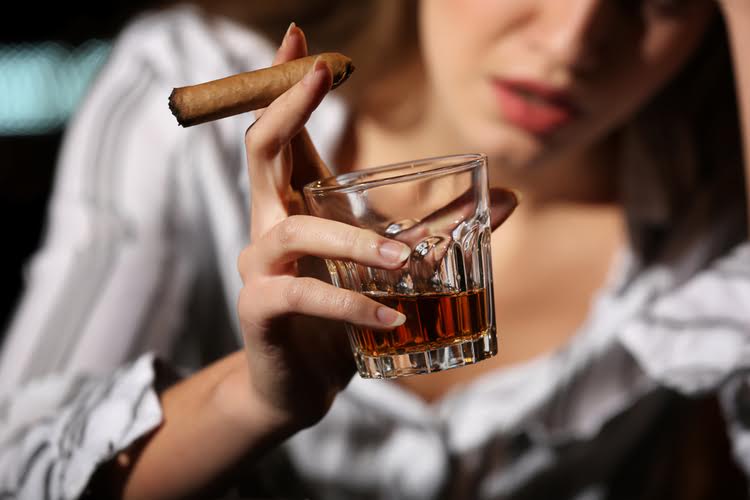
This means that they provide your body with calories but contain very little nutrients. Drinking on an empty stomach leads to faster alcohol absorption and stronger hunger cues later. Eating beforehand, ideally a balanced meal with lean protein, fiber, and healthy fats, slows this process and keeps your energy stable. Women who participated in binge drinking were not only more likely to have obesity but were also more likely to be attempting weight loss.
- They’re ideal for long social occasions or casual gatherings when you prefer to pace yourself.
- Historically, many Southeastern Conference (SEC) stadiums and arenas maintained strict no-alcohol policies, prioritizing family-friendly environments and safety concerns.
- Water, with a density of approximately 1 gram per cubic centimeter (g/cm³) at 4°C, is often used as the benchmark for comparing the densities of other substances.
- Aerobic exercise (cardio) is an effective way to improve your health and burn calories.
Increased cortisol promotes abdominal fat storage, while lowered testosterone may reduce muscle mass and slow metabolism, both https://ecosoberhouse.com/ factors that can contribute to weight gain. Yes, mixed whiskey drinks like whiskey sour or whiskey with cola contain added sugars and extra calories. These added sugars increase the total calorie intake, making weight gain more likely compared to drinking whiskey neat. If you maintain an active lifestyle and eat a balanced diet, occasional whiskey consumption is unlikely to cause noticeable weight gain.

Ways Alcohol Intake Makes You Gain Weight
The question of when SEC sports venues began allowing alcohol sales has been a topic of significant interest and debate among fans, administrators, and policymakers. Historically, many Southeastern Conference (SEC) stadiums and arenas maintained strict no-alcohol policies, prioritizing family-friendly environments and safety concerns. However, in recent years, a shift has occurred as several SEC institutions have introduced alcohol sales during sporting events, driven by potential revenue increases and changing fan expectations. Since then, a growing number of SEC venues have implemented alcohol sales, often with strict regulations to ensure responsible consumption and maintain a safe atmosphere. This evolution reflects broader trends in collegiate athletics, where balancing tradition with modern demands has become a central challenge for universities.
If you’re diluting ethanol for use in sanitizers or fuels, do so in a controlled environment, and always mix it with water first to reduce the risk of ignition. Remember, even a small spill can become hazardous if exposed to heat or flame. If you’re brave enough to sample a small amount, a dramatic shift in flavor will confirm your suspicions. The initial sweetness or bitterness of the alcohol will be overwhelmed by a sharp, tangy acidity. For instance, a wine that once had a balanced, fruity profile will now taste like a poorly made vinaigrette. If you’re experimenting with vinegar-making, this taste shift is your cue to halt the process if you’ve reached your desired acidity level.
While you don’t need to quit alcohol to live a healthier lifestyle, the main problem lies in binge drinking. Excessive alcohol use increases your weight and puts you at risk for long-term health complications. When selecting an alcoholic beverage, opt for a lower calorie option cocktail, glass of red wine, light beer, and avoid drinks made with sugary mixes. Chronic alcohol use has been linked to reduced protein synthesis which in turn leads to reduced muscle mass leading to a lower BMI. Even though someone who engages in heavy drinking could be gaining weight, specifically, fat mass, they can also be losing muscle mass, which will lower their BMI.